

not the object.
Most people come to a commission with a picture already in their head. The ones who end up happiest often started somewhere else — with a question.
What is the piece for?
Before the stone or the setting, the more useful question is what the piece is for — a milestone you want to mark, a person you want to carry with you, a feeling you have never quite found on a shelf. The object tends to become obvious once the reason is clear.

Bring a feeling, not a brief.
You do not need to arrive with a design. Bring what you are drawn to and what you actually reach for — the colours, the weight, the pieces you never take off. Patterns appear quickly. A good commission listens before it draws.
Let the intent choose the stone.
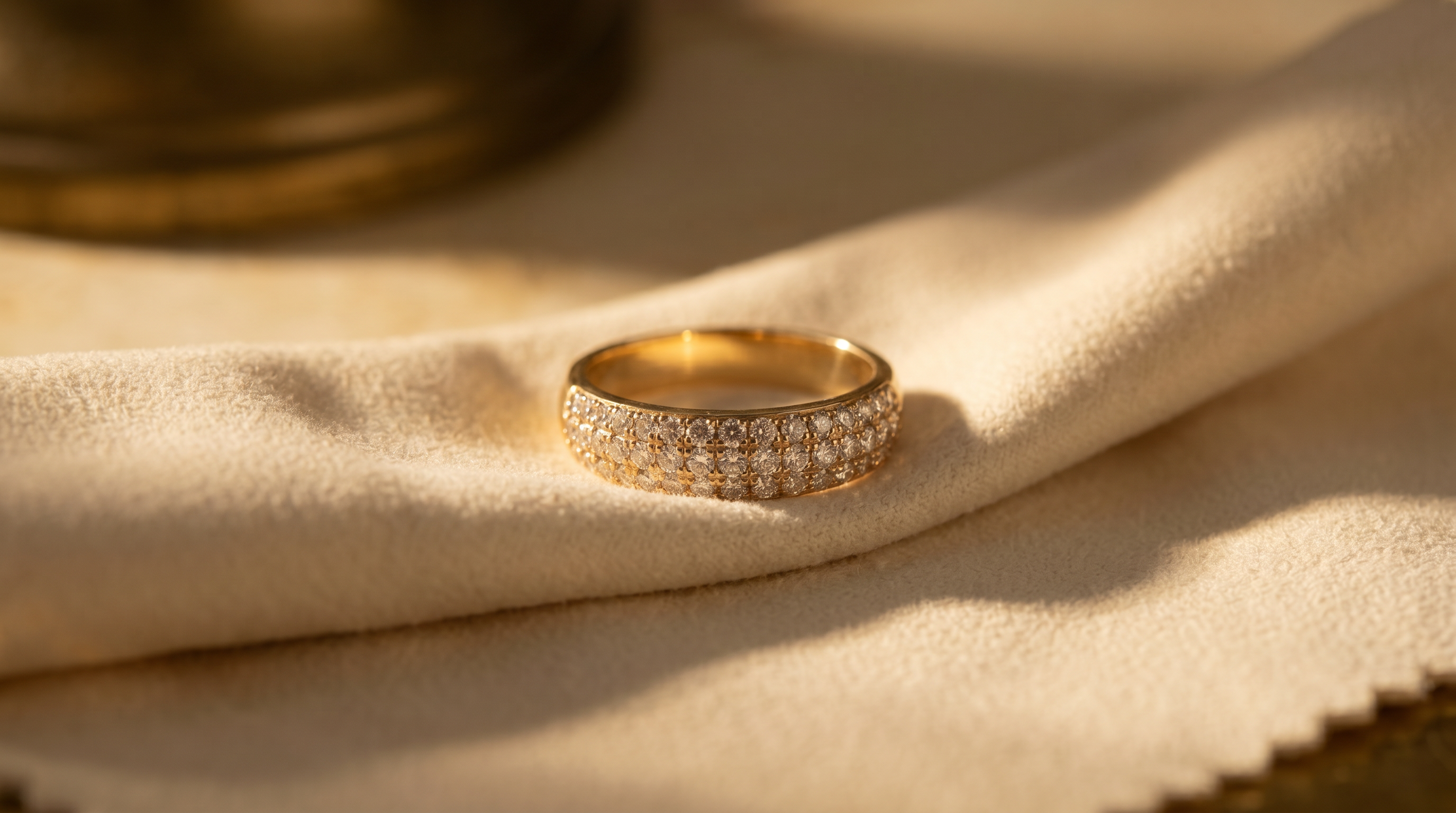
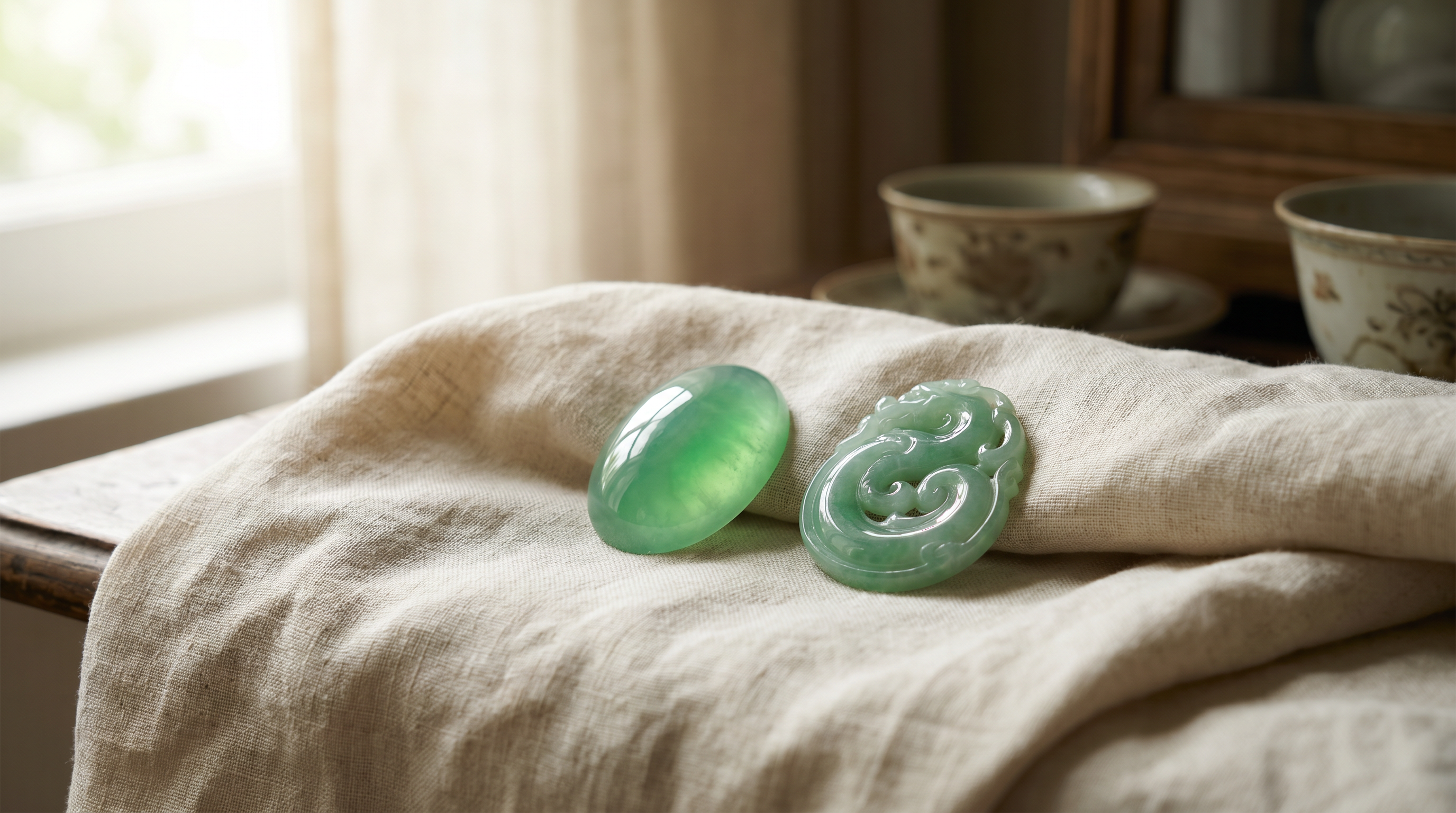
Colour for something you want seen. A quiet diamond for something worn every day. A birthstone for a person. Gold to keep, and to pass on. When the meaning leads, the material rarely surprises you — it confirms.
The best commissions are not the most elaborate. They are the most certain.
Blaise Huxley · On CraftWhat cannot be bought ready-made.
One of one. Made for your hand and your life. The few details that matter to you and to no shop. A commission is not a faster way to buy — it is a different thing to own, and it asks a little more of you in return.
What to expect.
Once the intent is clear, it becomes a process: a conversation, a design you confirm in writing, then several weeks of making. We have written out exactly how that works, and what it costs, on the commission page.
When you know why, the what tends to take care of itself.